In March 2026, the Davis Phinney Foundation hosted “Nutrition and Parkinson’s: Science, Strategies and What Really Matters”, a conversation with Richelle Flanagan, a registered dietitian and person with Parkinson’s, on evidence-based nutrition strategies for PD. Up to 90% of people with Parkinson’s don’t have access to a dietitian, yet nutrition plays a crucial role across the entire disease spectrum. The talk covered supplements, gut health, constipation, timing of medications with food, protein redistribution diets, and practical strategies. The fundamental message: eating better can help many people with Parkinson’s, but it requires proper dietary assessment and support rather than following trends online.
Key Takeaways and Practical Advice
Preventing weight loss is critical—it predicts worse outcomes and faster progression. Weight loss often starts before diagnosis and continues. Those who lose weight or become malnourished have worse symptom control and faster progression. Many factors contribute: dyskinesia, tremor, and rigidity can burn 500-1000 calories daily, exercise burns 250-800 calories daily, yet baseline needs are only 2000-2500 calories. Someone with significant symptoms could need 4000 calories daily just to maintain weight. Track your weight monthly and talk to your doctor if you’ve lost 3-6 kilograms (7-13 lbs) in 3 months.
Get vitamin levels checked annually—deficiencies mimic Parkinson’s progression. Common deficiencies include vitamin D, B12, B6, folate, and ferritin (iron). Vitamin B12 deficiency causes muscle weakness, depression, forgetfulness, and neuropathy—symptoms that overlap with Parkinson’s, so you may think your disease is progressing when it’s actually a deficiency. Levodopa interferes with B12 absorption over time. Get levels checked annually when on levodopa, especially vitamin D, B12, B6, folate, and ferritin. Supplement only to correct documented deficiencies.
Time your levodopa carefully around protein—it matters for medication effectiveness. Protein breaks down into amino acids that compete with levodopa for absorption. Take levodopa at least 30 minutes before meals and 1-2 hours after meals. Light meals (vegetable soup) clear within an hour; heavy protein meals (steak) require waiting 2+ hours. Many people report improved symptoms just from this adjustment. However, better absorption can worsen dyskinesia if you already have it—individualized guidance is essential. If caught OFF by unexpected meals, fast-acting oral options or levodopa sprays can help.
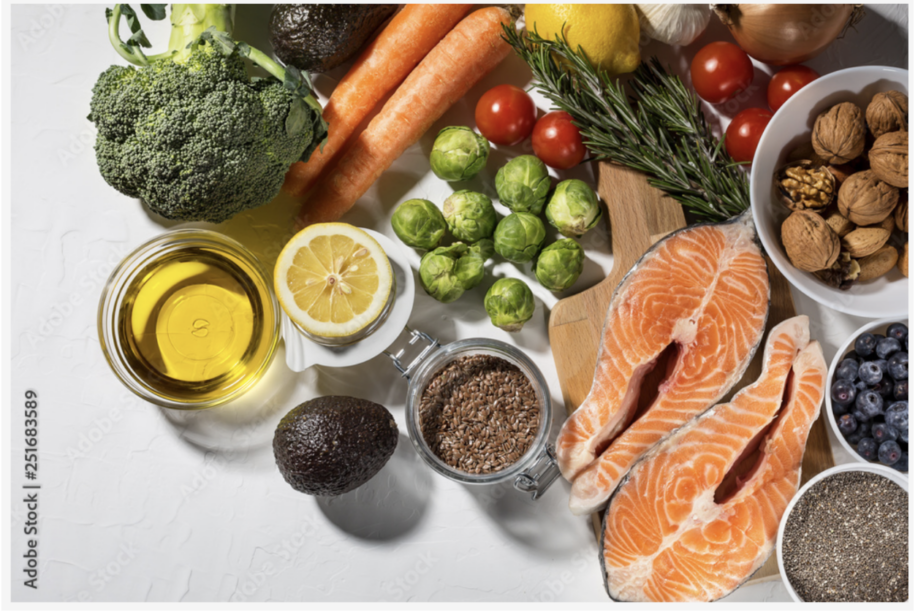
The Mediterranean diet has the strongest evidence for improving Parkinson’s symptoms. Randomized trials showed 10 weeks of Mediterranean diet improved non-motor symptoms like depression and constipation. It has low glycemic index, high fiber, feeds the gut microbiome, provides essential nutrients, and is sustainable. Focus on whole grains, fruits, vegetables, olive oil, fish, moderate dairy—not restrictive diets without evidence. If underweight or have gastroparesis, the Mediterranean diet may need adjustment.
Constipation affects 60-80% of people and impacts medication absorption—address it aggressively. Constipation can start 20 years before diagnosis. When constipated, levodopa gets stuck and doesn’t reach the brain effectively. Gut bacteria can actually consume levodopa. Aim for 25-30 grams of fiber daily from both soluble (fruits, vegetables, oats, beans) and insoluble (whole grains) sources. If eating enough fiber but still constipated, consider dyssynergic defecation (pelvic floor muscles won’t relax)—ask about pelvic floor physiotherapy. Watch for gastroparesis (early fullness, nausea, vomiting, weight loss) which requires different dietary strategies.
Resources
Webinar Recording:
Watch on Davis Phinney Foundation YouTube Channel
Stanford Parkinson’s Community Outreach Resources:
Continue reading for detailed notes.
-Elizabeth
“Nutrition and Parkinson’s: Science, Strategies and What Really Matters”
Part of the “Live Well Today” Series
Speaker: Richelle Flanagan, RD, registered dietitian, and person living with young-onset Parkinson’s, co-founder of My Moves Matter, based in Dublin, Ireland
Webinar Host: Davis Phinney Foundation
Webinar Date: March 5, 2026
Summary by: Elizabeth Wong, Stanford Parkinson’s Community Outreach
[The webinar followed a conversational format, with the host asking questions to guide the discussion.]
The Problem: Lack of Access to Dietitians
Up to 90% of people with Parkinson’s don’t have access to a dietitian. People don’t get referred, don’t know to ask, so there’s no demand, so dietitians don’t get trained in Parkinson’s—a vicious cycle. In 20+ years as a dietitian, Richelle has never seen a condition that requires nutritional input as much as Parkinson’s, across the whole spectrum from early to late onset, from diagnosis to advanced disease.
Richelle is co-founder of My Moves Matter and works with Parkinson’s Ireland to support their Dietitian Callback Service. Through this service, people living with Parkinson’s and their families have questions about diet and nutrition and be placed on a list. On Friday afternoons, registered dietitians from My Moves Matter—all with experience in Parkinson’s disease—call them back. Through these callback conversations, Richelle has observed that many people are missing basic nutritional information that could significantly improve their quality of life.
Why Nutrition Matters in Parkinson’s
Q: Why is nutrition so important for Parkinson’s overall?
A: Nutrition is powerful through its constituent parts—macronutrients (protein, carbs, fat that provide energy) and micronutrients (vitamins and minerals). Weight loss often starts before Parkinson’s diagnosis and continues. Those who’ve lost weight or are malnourished tend to have worse outcomes, worse symptom control, and faster progression regardless of age. Preventing weight loss is critical—getting enough calories to stop the trajectory.
Micronutrient deficiencies are common: vitamin D, B12, B6, folate. These can exist before diagnosis, fitting the prodromal picture of symptoms 20 years before. Derangement of nutritional factors (vitamin D metabolism, B vitamin levels, elevated homocysteine, higher osteopenia/osteoporosis rates) probably plays a role in the prodromal phase, but more research is needed.
Supplements and Vitamin Deficiencies
Q: What can people do today regarding supplementation?
A: Get blood levels checked: vitamin D, B12, B6, folate (B9), ferritin (iron stores). These can all be affected by Parkinson’s. Vitamin B12 deficiency symptoms overlap with Parkinson’s: muscle weakness, low mood, depression, forgetfulness, neuropathy (tingling in hands/feet). People may think their disease is progressing when it’s actually B12 deficiency worsening symptoms.
Levodopa interferes with B12 absorption over time—get B12 checked annually when on levodopa. Older adults naturally lose intrinsic factor (helps absorb B12), so checking is doubly important with age.
Vitamin D is crucial for bone health and fracture risk. People with Parkinson’s who fracture have the longest hospital stays of all neurological conditions, leading to poor outcomes upon discharge. Prevention through adequate vitamin D (to absorb calcium and keep bones strong) is key.
Beyond these specific vitamins, there’s not much research evidence for other supplements promoted online. Get levels checked rather than supplementing blindly.
Q: Is it different to get B12 or other vitamins from food versus supplements?
A: If levels are normal, maintain through diet—B12 is primarily in meat and dairy. If reluctant to eat red meat or dairy, moderate amounts help maintain levels. Vegans need B12 supplementation (nutritional yeast flakes with B12). Vegetarians need monitoring, especially if they also cut dairy.
Peripheral neuropathy and B vitamins: Too much B6 can cause peripheral neuropathy (pins and needles in hands/feet). B6 and B12 work in tandem. High folate can mask B12 deficiency. Get all levels checked—they work together. Discuss diet when physician orders testing. Many people take high-dose B vitamin complexes from health food stores without checking levels, potentially causing more harm than good.
Levodopa-Protein Interaction and Meal Timing
Iron supplements must be taken at least 2 hours separate from levodopa (competes for absorption). Same with magnesium supplements (used for sleep or bowel movements).
The levodopa-protein interaction: All levodopa medication insert instructions indicate taking the levodopa separate from protein-containing foods. Protein breaks down into amino acids that cross the same point in the brain as levodopa, interfering with absorption—less levodopa reaches the brain.
Standard recommendation: Take levodopa at least 30 minutes before meals and 1-2 hours after meals. Taking the medication before meals is easier (more fasted between meals). After a big protein meal (steak and chips/fries), digestion takes a long time. If you take the tablet with that meal, it stays in your stomach, degrades, and never reaches the intestines where it must be absorbed into the bloodstream to travel to the brain. Light meals like vegetable soup (low protein) clear within an hour. High-protein meals require waiting at least 2 hours. Numerous people reported symptom improvement just from this one adjustment.
Critical caveat: Separating meals from levodopa means absorbing more levodopa. Dyskinesia results from too much levodopa in the system. If you have dyskinesia and separate meals from tablets, you absorb more levodopa, worsening dyskinesia.
Taking more than 4 doses daily becomes complex—it’s a mathematical equation trying to time everything. Hard for older people living alone, hard for younger people with executive function/planning challenges.
Protein Redistribution Diet
Some people avoid protein during the day, eating it mainly in the evening (protein redistribution diet). For people with on-off fluctuations (without dyskinesia), this can reduce fluctuations by having protein when less affected by work/activities. However, it’s hard to stick to only 10-15 grams of protein during the day, which can lead to malnutrition if adequate protein isn’t consumed in the evening.
Protein requirements depend on weight—people eating more than 1 gram of protein per kilogram body weight may need higher levodopa doses because protein interferes with absorption.
Research shows people on protein redistribution diets with adequate total protein don’t lose weight and actually fare better (needing less levodopa) than those not on protein redistribution.
Low-protein foods exist, such as foods made for those who have PKU (Phenylketonuria)—a condition where the body can’t metabolize a protein component—that can be prescribed off-label to help maintain calorie intake during the day without excessive protein, although more research is needed in this area.
Q: Can you adjust medication timing like you would for exercise?
A: Yes—if you experience being OFF unexpectedly, such as by unplanned meals or while being out with friends, use fast-acting oral options like Madopar® dispersible (not used in the US) or sprays to end an OFF period. That missed dose wasn’t effective, so an extra dose is logical.
Intermittent Fasting
Intermittent fasting may improve symptoms simply because fasting means no protein interfering with levodopa—not necessarily an independent benefit. Long-term intermittent fasting can lead to weight loss, which has worse outcomes for Parkinson’s.
Dyskinesia and weight loss create a vicious cycle: dyskinesia burns lots of calories, weight loss increases levodopa absorption, more levodopa worsens dyskinesia. Women and young-onset people (especially young-onset women) have the worst dyskinesia levels. This needs research to tailor medication to age and sex.
Energy, Fatigue, and Calorie Needs
Q: What role does diet have in energy and fatigue?
A: Many people exercise intensely (recommended for Parkinson’s) but don’t replace the calories burned. Exercise burns 250-800 calories daily depending on intensity. Dyskinesia, tremor, rigidity burn 500-1000 calories daily depending on severity. Average baseline needs: 2500 calories (men), 2000 calories (women). Someone burning 1000 calories from symptoms plus 500 from exercise needs 4000 calories daily (for men). Most people with Parkinson’s at normal weight aren’t consuming this—leading to fatigue.
The anti-carbohydrate mentality is problematic. Carbohydrates are the main energy source for muscles and brain. Cutting them impacts cognitive fatigue and general fatigue. Muscles store glycogen (glucose storage) that’s essential for keeping fatigue at bay.
Cutting protein due to medication interactions, without adequate total intake, leads to iron deficiency and B12 deficiency, both causing fatigue.
Q: Should I discuss timing and food intake when talking about fatigue with my physician?
A: Yes, but most doctors aren’t trained in nutrition and don’t have time. Dietitians are trained to culturally adapt diets, analyze energy requirements versus current intake, identify deficiencies, and consider age, disease stage, medications, and comorbidities. Food is bound up in our lives and identity.
If a dietitian doesn’t understand Parkinson’s, challenge them to learn more, point them to resources. Don’t give up on the first try. Videos like this can be shared with dietitians.
Sugar and Glycemic Control
Q: What role does sugar play?
A: Natural sugars in food (glucose in carbs, fructose in fruit, lactose in dairy) are good because they break down slowly. Table sugar in cakes, cookies, sugary drinks hits the system quickly (high glycemic index), giving a big sugar load at once.
For even blood sugar throughout the day, eat low glycemic index and low glycemic load: whole grain diet high in fiber. High fiber slows sugar release into the bloodstream.
Research shows people with high refined sugar intake have worse symptom control and potentially faster progression.
Insulin resistance is high in the Parkinson’s community. Insulin can’t properly move sugar from blood into muscles/brain where it’s needed, causing fatigue (energy stays in blood instead of reaching cells). Exercise helps reduce insulin resistance and improves glucose uptake into brain and muscles—one reason exercise is beneficial in Parkinson’s.
There’s a “type 3 diabetes” concept—the brain’s ability to metabolize glucose is affected in Parkinson’s. Diet alongside exercise could be powerful, similar to diabetes management. With type 1 diabetes you replace missing insulin—you’d never skip it. With Parkinson’s we replace missing dopamine through levodopa, but also need a healthy diet alongside medication to optimize wellbeing.
Freezing of Gait
Q: Is there a diet connection to freezing of gait, or is it mainly fatigue?
A: If diet interferes with levodopa absorption (stuck in the stomach due to high-fat, high-protein meals), that could worsen any symptom including freezing. Not aware of specific diet-freezing connection, but more research needed. Likely related to medication timing and interference.
Dairy
Q: Should we avoid dairy?
A: The evidence linking dairy to causing or worsening Parkinson’s is not rigorous enough. Evidence on dairy and Parkinson’s risk is very conflicting and differs by country (possibly related to pesticides and farming practices—higher pesticide use in the US than Ireland). Dairy might be a marker of something else going on, not necessarily the cause. There are also sex differences (more impact on men than women)—unclear why, possibly related to uric acid.
Rather than focusing on eliminating dairy, consider that dairy benefits cognitive health, blood pressure, heart health. The dairy matrix provides important nutrients beyond calcium: vitamin K, magnesium, phosphorus.
Focus instead on the Mediterranean diet, which has the strongest evidence in Parkinson’s.
Mediterranean Diet
Q: What diet should people follow?
A: The Mediterranean diet—the evidence is strongest. Randomized controlled trials in 80+ people showed that 10 weeks of Mediterranean diet improved Parkinson’s symptoms, particularly non-motor symptoms (depression and constipation from fiber).
It naturally has low glycemic index and load, high fiber (helping constipation which affects levodopa absorption), feeds the gut microbiome with prebiotic and probiotic fibers, provides vitamins and minerals, and provides energy. It’s a doable diet that people can stick to.
The Mediterranean diet is a “symbiotic” diet—prebiotic fibers feed probiotics in the gut. Dairy foods can contain probiotics. The combined dietary pattern shows the most impact on symptom control and potentially progression.
Ketogenic diet: Research trials show most people don’t adhere because it’s very difficult. In time, specific cohorts might benefit (not malnourished, normal BMI, younger, good glycemic control). Modified versions or ketogenic supplements exist but aren’t very palatable.
Important caveats: If underweight (BMI less than 18.5) or have lost 3-6 kilograms in 3 months, talk to a physician—Mediterranean diet is lower in calories. If you have gastroparesis, Mediterranean diet may need adjustment.
The best diet is the one you can stick to. The Mediterranean diet is practical and evidence-based.
Gut Health and Constipation
60-80% of people with PD have constipation. It affects levodopa absorption—medication gets stuck in the gut and doesn’t reach the brain. Constipation can occur up to 20 years before Parkinson’s diagnosis (part of the prodromal phase), suggesting it may start in the gut.
The microbiome (gut bacteria—good and bad) is different in Parkinson’s. Constipation exacerbates unhealthy bacteria. If constipated, bacteria can proliferate in the bowel and actually “eat” (metabolize) levodopa, so less reaches the brain.
Most people need 25-30 grams of fiber daily: mix of soluble fiber (fruit, vegetables, oats, pulses like chickpeas/kidney beans—gives gel consistency) and insoluble fiber (whole grains like brown rice, whole grain pasta—nature’s broom, provides roughage). These fibers feed short-chain fatty acids, beneficial for the microbiome and potentially for Parkinson’s.
Most people don’t eat enough fiber or the right types. If your plate is very white (white bread, white pasta), that indicates low fiber—processing removes the goodness from grain.
Dyssynergic defecation is under-recognized in Parkinson’s. Normal stool reaches the anus, but in dyssynergic defecation, the pelvic floor muscles stay rigid (lack of nerve coordination) instead of relaxing, so stool can’t pass. Many women manually evacuate bowels. This requires pelvic floor physiotherapy (TENS machines to stimulate bowel), not just more fiber.
Gastroparesis (slow stomach emptying) is under-recognized in Parkinson’s. With Parkinson’s, neurons in the gut are damaged, so signals to move the gut are poor—everything is slower. Signs of gastroparesis include feeling full quickly after starting to eat, nausea, vomiting. Weight loss is a red flag. Talk to a neurologist for assessment. Diet differs from standard constipation advice—less insoluble roughage (slows things further), more soluble fibers, more liquid, small particle diet (break food up so it passes through the stomach quicker). Food slow to leave the stomach means the tablet stays stuck, reducing “on” time.
Reflux: Many people with Parkinson’s have reflux and take PPIs (proton pump inhibitors), which can interfere with levodopa absorption.
The gut slows down across the day (circadian rhythm). Symptom control often worsens later in day because gut motility slows and amino acids build up throughout the day (more competition for levodopa). Makes sense that later doses are less effective.
Diarrhea: If you have constipation then diarrhea, it may be overflow diarrhea—someone can be so impacted with stool that stool tries to get around the blockage. Important to know if it’s overflowing because treating the diarrhea could worsen constipation, potentially causing bowel impaction or rupture.
If you have diarrhea without constipation history, could be diverticulitis, celiac disease, inflammatory bowel disease, IBS, or other conditions. Discuss ongoing diarrhea with a physician.
Probiotics
Q: What’s your view on probiotics?
A: Probiotics are substances that feed gut bacteria, helping healthy bacteria proliferate. There is not enough research in Parkinson’s yet to recommend specific probiotics. Some may make things worse. People with Parkinson’s tend to have higher levels of Bifidobacteria and Lactobacillus (usually considered anti-inflammatory). But why are they higher? These bacteria also feed on levodopa. Is it proliferating because it’s eating levodopa, or has it “gone to the dark side” and is making things worse? We don’t know yet.
There is not enough evidence for specific recommendations. If trying a probiotic, track symptoms—if they improve, continue; if they worsen, stop. Expect improvements (like reduced bloating) within 6 weeks to 3 months. Once stopped, they’re out of your system.
The Mediterranean diet does what probiotic supplements aim to do, with much more evidence. Requires more planning than popping a pill, but effectiveness is proven.
Prebiotics are in the Mediterranean diet: onions, garlic (sofrito—cooking onion and garlic together), whole grains. Get these naturally from Mediterranean cooking.
Alcohol
No guidelines say you can’t have alcohol, but stick to general recommendations. It worsens symptoms: dehydration makes symptoms worse, drinking leads to eating more sugary and fatty foods. Common sense approach.
The Mediterranean diet traditionally includes a small glass of wine (100ml). Benefit seems to come from fermented grapes, though you can also get benefits from eating grapes. We need joy in our lives—moderation is key. Same with ice cream—fine as long as it’s not every day.
Practical Strategies and Self-Compassion
Q: How do you navigate guilt when you can’t always do what you should?
A: Have self-compassion. Realize we have bad days. Adjust your diet for those days—have healthy ready meals in the freezer that you’ve chosen with good ingredients. Better than takeout. Plan ahead so you have options when not up to cooking.
Don’t engage in fear-mongering. People have gotten worse following vegan diets (lost weight), which ultimately worsened dyskinesia or energy. More practical approach: 80/20 rule—80% of the time do the best we can, 20% of the time have parties, outings, slips.
The Mediterranean diet is straightforward but needs planning and help understanding foods. Do this when feeling well and “on” with medication—not when “off” (disaster for everyone, heading to eating out/take out instead). Forethought helps.
With Parkinson’s, we lose automaticity (including motivation). Rely on external scaffolding: pair with a buddy for exercise, pair with a buddy for Mediterranean diet cooking, find recipes together, share ideas. There is too much talk about giving up dairy and probiotics with not enough fundamental talk about eating better to help many people with Parkinson’s.
Cook meals for someone having a hard time. Offer support—social isolation is tough. Fundamentally, eating better is going to do a lot of people a lot of good with Parkinson’s.