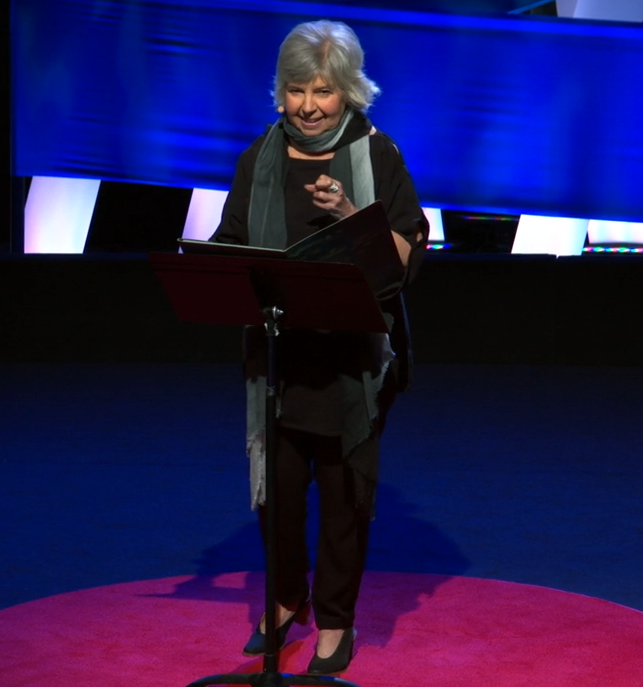
This wonderful May 2015 TED Talk (circulating in our Parkinson’s Women Support Group), poet Robin Morgan says, “I do not feel diminished by Parkinson’s; I feel distilled by it.” She shares some poems from her book “Dark Matter.”
… Full Story>This wonderful May 2015 TED Talk (circulating in our Parkinson’s Women Support Group), poet Robin Morgan says, “I do not feel diminished by Parkinson’s; I feel distilled by it.” She shares some poems from her book “Dark Matter.”
… Full Story>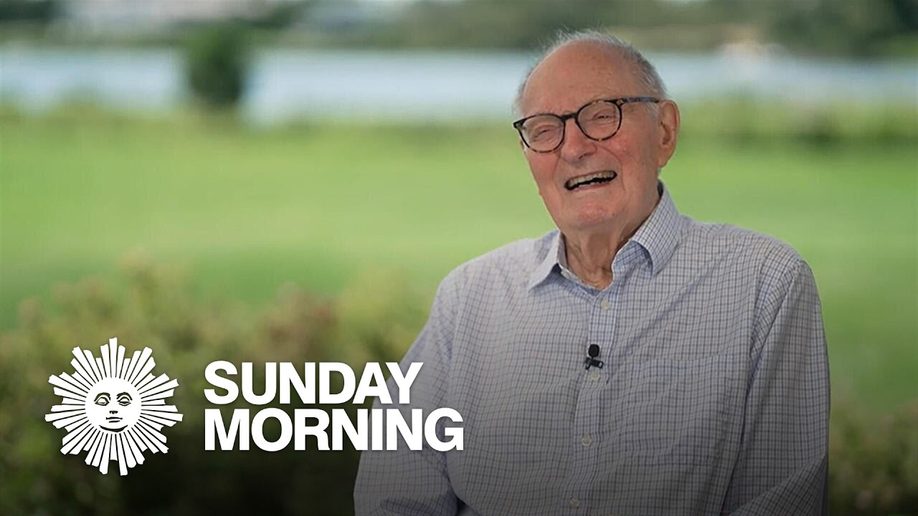
Alan Alda, now 90, is one of the country’s most-beloved actors, best-known for his role as “Hawkeye” Pierce on the classic TV series “M*A*S*H.” Alda talks with CBS News chief medical correspondent Dr. Jon LaPook about his challenging childhood, dealing with polio and his mother’s schizophrenia; his decades of work to help scientists and health care professionals communicate more clearly; and about living with Parkinson’s disease, which he refuses to let define him.
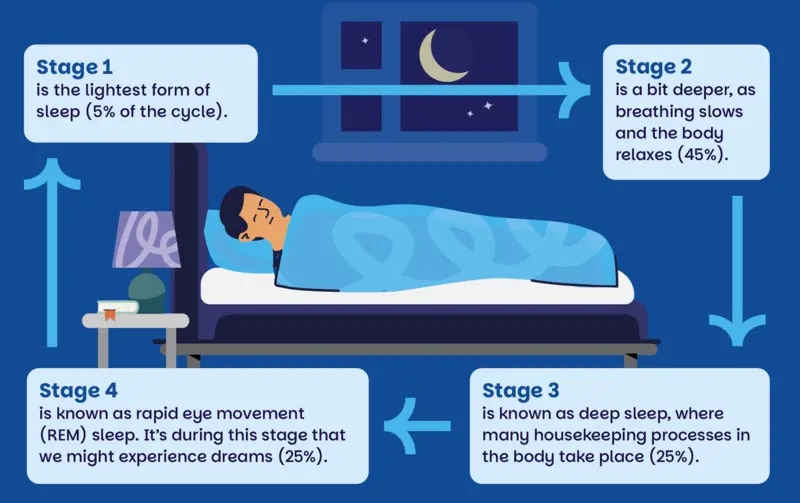
… Full Story>If you wake up and don’t feel rested, this might be because the quality of sleep you’re getting isn’t good enough.

At the American Parkinson’s Disease Association’s recent “Ask the Expert” event on Smart Patients, APDA’s Dr. Rebecca Gilbert answered questions from the Parkinson’s community about diagnosis, symptoms, and treatment. She shares her answers to participant questions about recognizing these early warning signs and what to do if you suspect you may be at increased risk.
… Full Story>
National Institute of Neurological Disorders and Stroke (NINDS) is requesting input from the Parkinson’s community as part of a Request for Information (RFI). This RFI will support development of the National Plan to End Parkinson’s and inform the Advisory Council on Parkinson’s Research, Care, and Services as they embark on their vital work. Input is due on August 22, 2026.
… Full Story>