
Todos los meses, Stanford Parkinson’s Community Outreach producirá una lista de seminarios web y reuniones virtuales en español relacionados con el Parkinson con oradores. Aquí está nuestra lista de Abril de 2026.
… Full Story>Todos los meses, Stanford Parkinson’s Community Outreach producirá una lista de seminarios web y reuniones virtuales en español relacionados con el Parkinson con oradores. Aquí está nuestra lista de Abril de 2026.
… Full Story>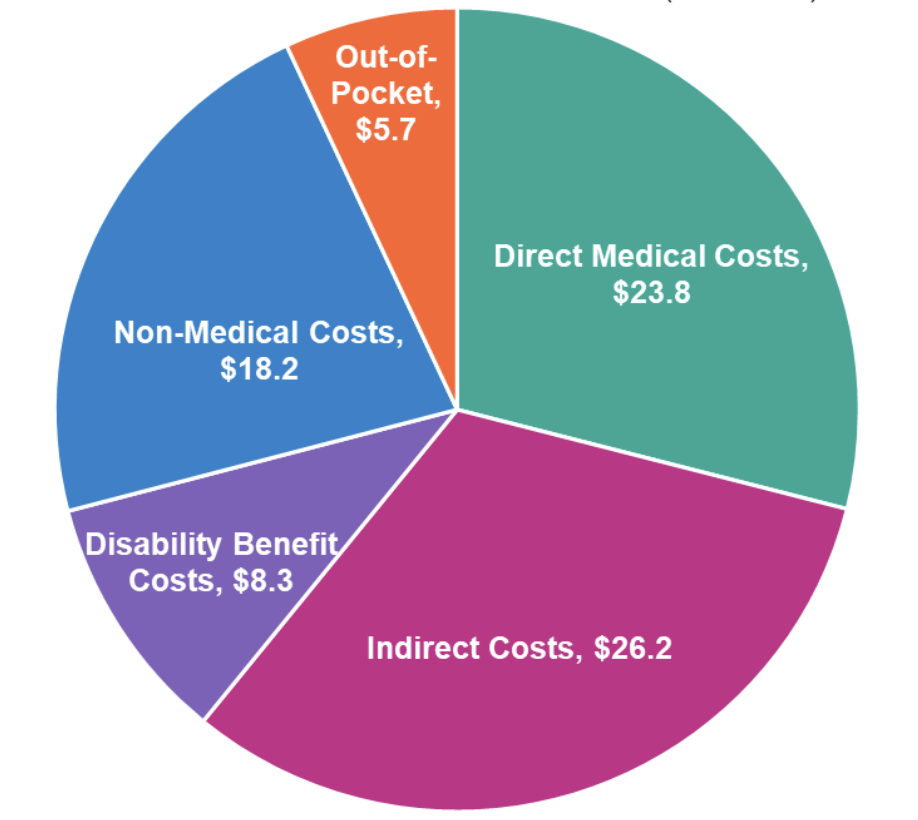
A newly released report, co-sponsored by the American Parkinson Disease Association, has shown that Parkinson’s disease (PD) and atypical Parkinsonism are placing an $82.2 billion annual economic burden on the United States as of 2024—highlighting the growing financial strain of these neurological conditions.
… Full Story>
En febrero de 2026, la Parkinson Foundation (parkinson.org/recursos) presentó un webinar para personas recién diagnosticadas con la enfermedad de Parkinson y sus cuidadores. El Dr. Carlos Ceballos, especialista en trastornos del movimiento en Ochsner Medical Center en Nueva Orleans, explicó cómo se produce y diagnostica la enfermedad y qué pasos concretos pueden marcar la diferencia en la calidad de vida. Carla Velastegui, hija cuidadora de su madre Gina, quien lleva 16 años viviendo con Parkinson de inicio temprano, compartió estrategias para que esos 20 minutos con el neurólogo, dos veces al año, sean realmente productivos. Lo que une a los dos presentadores es una idea central: el paciente y su cuidador no son espectadores del proceso médico. Tienen información que el médico necesita, preguntas que merecen respuesta y un papel activo en las decisiones que dan forma a los meses que vienen.
… Full Story>
Telling people you have Parkinson’s disease is harder than it sounds. Even people who consider themselves open by nature can find themselves hesitating, calculating, and in some cases staying silent altogether, sometimes for years. A March 2026 webinar hosted by the Philadelphia & Richmond Veterans Administration addressed the emotional and practical dimensions of disclosure from diagnosis onward. These webinar notes will be of most interest to those with young onset Parkinson’s who are still employed or those newly diagnosed, two groups most likely to delay disclosure and most likely to pay a price for delaying disclosure of the diagnosis.
… Full Story>
In the spring of 2026, Stanford Neurology, in collaboration with SRI, are looking for people with Parkinson’s disease, between the ages of 50 and 80, to participate in a study of changes in cognition and motor function with sleep and aging.
… Full Story>