
Here’s to brighter days and happier tomorrows.
Happy New Year!
Here’s to brighter days and happier tomorrows.
Happy New Year!

The Family Ties star was diagnosed with early onset Parkinson’s disease in 1991. He says that if he doesn’t know if he can do something, he fakes it — a strategy that works 80 percent of the time.
… Full Story>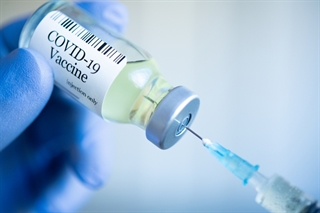
“[Available] data indicate: 1. The approved mRNA-based vaccines and the vector vaccines under development induce immunization through mechanisms that do not interact with the neurodegenerative process in PD. … 2. …the types or incidence of side effects in patients with PD have not been different than in the general population. 3. …COVID-19 vaccination does not interfere with the current therapies of PD. 4. …more data will be available in the near future for further analysis of the impact of these vaccines on PD.”
… Full Story>
Since Parkinson’s disease (PD) is known as a movement disorder, the non-motor symptoms can often be overlooked. Common non-motor symptoms can include depression and anxiety, sleep issues, fatigue, gastrointestinal problems, sexual issues, and more. The American Parkinson Disease Association (APDA) recently published a list of resources on these non-motor symptoms in PD.

People who lived alone or who had few social contacts were up to 24 percent more likely to have falls than their socially connected peers.
… Full Story>