Todos los meses, Stanford Parkinson’s Community Outreach producirá una lista de seminarios web y reuniones virtuales en español relacionados con el Parkinson con oradores. Aquí está nuestra lista de Marzo de 2026.
… Full Story>
Todos los meses, Stanford Parkinson’s Community Outreach producirá una lista de seminarios web y reuniones virtuales en español relacionados con el Parkinson con oradores. Aquí está nuestra lista de Marzo de 2026.
… Full Story>
Author Rachel Reid, whose novels were adapted into the “Heated Rivalry” TV series, was diagnosed with Parkinson’s disease in 2023. She said in a video on social media, “When good things happen, sometimes the universe hands you some worse stuff to balance it out and for me that’s been that my Parkinson’s symptoms have gotten a bit worse and it’s made it difficult physically to write. I’m definitely a lot slower and that’s just something I need to learn how to navigate and kind of face instead of ignoring.”
… Full Story>
Earlier this month, there were two webinars presented on the Parkinson Voice Project and the “SPEAK OUT!®” program—a comprehensive, evidence-based approach to preserving and improving speech and swallowing for people with Parkinson’s disease. Speech language pathologist Julia Lidgard, SLP, presented “Living with Intention: Maintaining Your Voice with Parkinson’s SPEAK OUT!” for the American Parkinson Disease Association (APDA) Virginia Chapter. Two days later, Samantha Elandary, SLP, founder of the Parkinson Voice Project, was interviewed on a Being Patient Facebook live event titled “Parkinson Voice Project: Protecting Speech in Parkinson’s.”
… Full Story>
The Redding PD Support Group invites those with Parkinson’s, their friends, family members, and anyone interested to register by April 3 for their 11th annual conference. This year, the all-day event is co-hosted with Dignity Health and features speakers on treatment options. The per ticket charge of $20 includes lunch.
… Full Story>
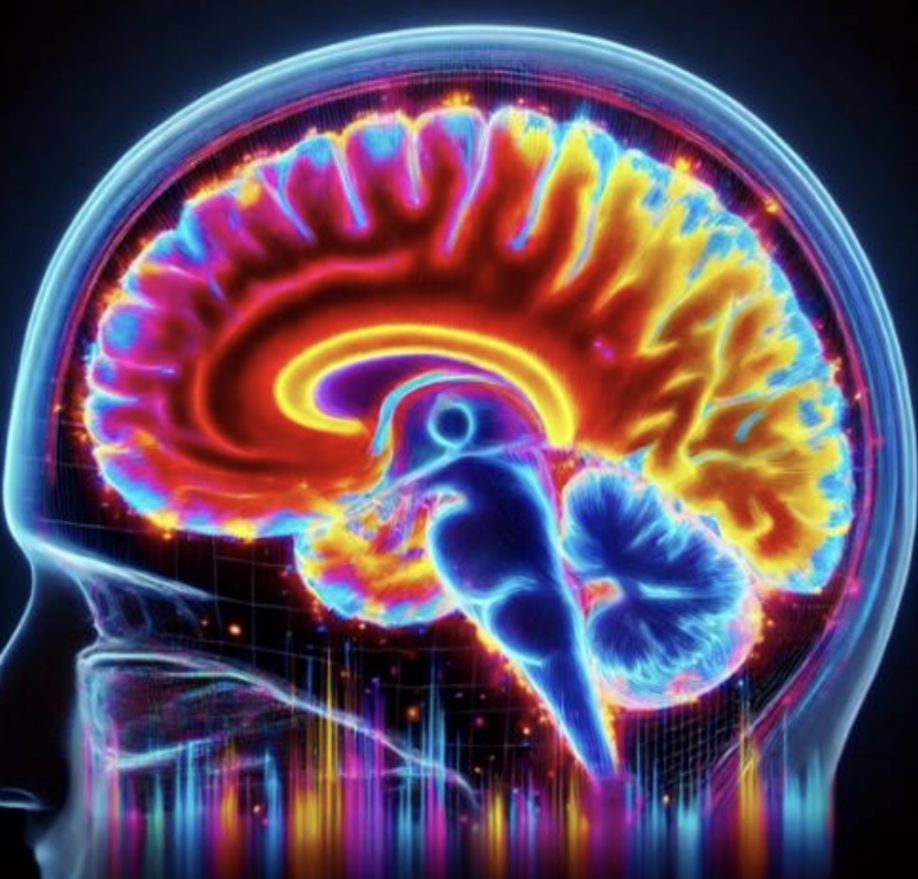
For decades, scientists believed brain structure was fixed after childhood, but imaging and research has shown something that our brains continue to change and adapt well into adulthood. This shift from a “fixed brain” to a “plastic brain” model has changed what we know about brain health and Parkinson’s disease.
… Full Story>