Many Northern and Central California Parkinson’s support groups have interesting speakers or programs lined up for August 2013. Here’s what happening at a support group near you…. Full Story>
Search Results for: young onset
Can Exercise Slow Parkinson’s Disease Progression?
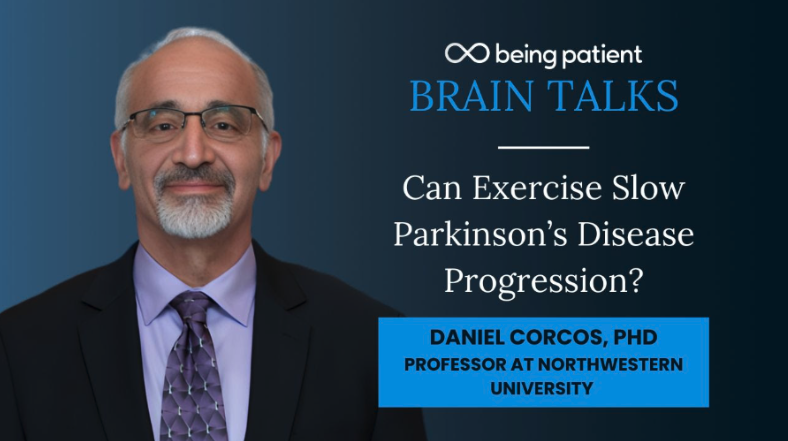
Exercise is not just beneficial for people with Parkinson’s disease—it’s essential medicine. In early February 2026, Dr. Daniel Corcos, a Northwestern University professor of physical therapy and human movement sciences, shared insights about exercise and Parkinson’s in an interview with Being Patient. His message: exercise provides both immediate day-to-day benefits (improved mood, concentration, symptom management) and long-term benefits (slowing disease progression), making it one of the most powerful tools available to people with Parkinson’s.
… Full Story>“Stem Cells and Parkinson’s Disease” – Webinar Notes

Two leading stem cell researchers shared updates on clinical trials for Parkinson’s Disease (PD) in a January 2026 webinar hosted by the American Parkinson Disease Association (apdaparkinson.org). Dr. Jun Takahashi detailed results from Japan’s induced pluripotent stem cell (iPS cell) transplant trial, while Dr. Claire Henchcliffe discussed her work on stem cell trials using both embryonic stem cells and personalized iPS cell approaches. This webinar and these notes are of interest to anyone curious about where stem cell research stands and what’s involved in these experimental treatments.
… Full Story>December 2025 – Parkinson’s Webinars and Virtual Meetings with Speakers

Every month, Stanford Parkinson’s Community Outreach produces a list of Parkinson’s-related webinars and virtual meetings with speakers. Here’s our December 2025 list.
… Full Story>WaPo: She was diagnosed with Parkinson’s at 27. These were her warning signs.

Soania Mathur was diagnosed with Parkinson’s disease at the age of 27. Excerpts from this Washington Post article about her and young-onset Parkinson’s: “Mathur and health-care experts said that more awareness of early-onset Parkinson’s is needed, since some studies suggest that its incidence is increasing, going against the common belief that the rise in Parkinson’s cases is due to an aging population. … One study found that patients under 45 had a much longer latency from disease onset to diagnosis — over two years compared with nine months for late-onset patients. … Dystonia, a movement disorder characterized by sustained or intermittent muscle contractions, is more often seen in early-onset Parkinson’s disease, particularly after exercise. However, dementia, gait disturbances, gastrointestinal issues and loss of sense of smell are less frequent, less severe or delayed in younger individuals. Perhaps most intriguing is that the progression of the disease is much slower in early-onset patients.”
… Full Story>- « Previous Page
- 1
- …
- 32
- 33
- 34
- 35
- 36
- …
- 39
- Next Page »