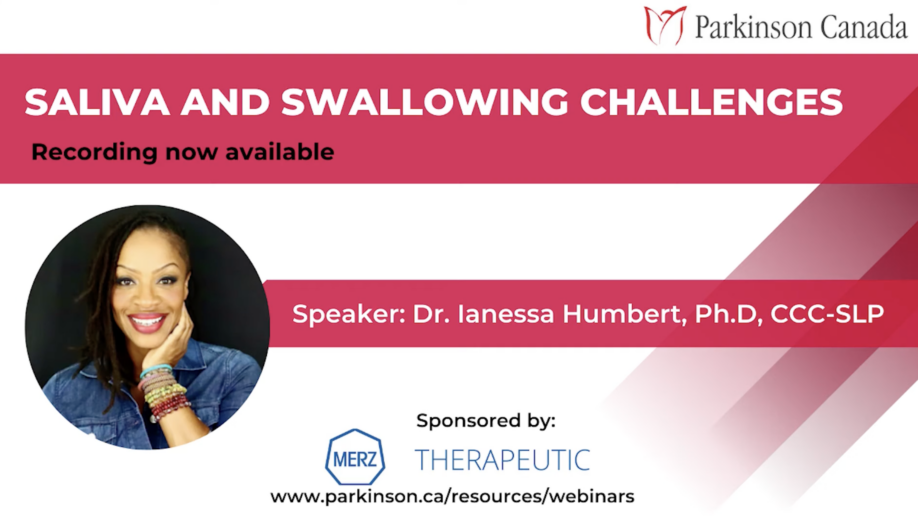
In mid-November, Parkinson Canada hosted speech therapist Dr. Ianessa Humbert for a webinar on swallowing and saliva challenges in Parkinson’s disease (PD). She reviewed what normal swallowing is, assessments that can be done of swallowing problems, and treatment. Dr. Humbert described the risk of aspiration (food or saliva entering the windpipe). She also discussed drooling and dry mouth.
… Full Story>Archives for January 2022

Parkinson’s Progression Slower With Sustained Physical Activity

More important to maintain exercise than to be active before disease starts, study shows
… Full Story>“Pioneering Parkinson’s Research from the American Parkinson’s Disease Association” – Webinar Notes

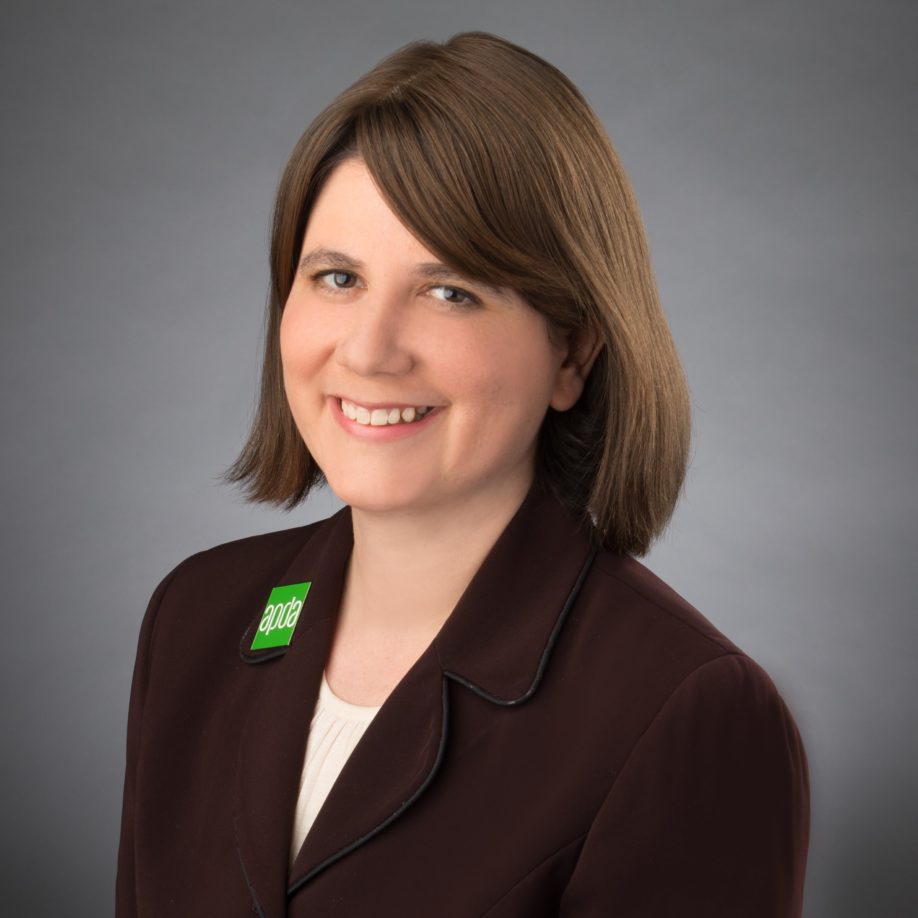
In early November, the Parkinson Society British Columbia hosted a webinar on Parkinson’s disease (PD) research with Dr. Rebecca Gilbert, the chief scientific officer of the American Parkinson Disease Association (APDA). In this webinar, Dr. Gilbert discussed the funding fellowships and research grants APDA provides, and different areas of research the APDA prioritizes for research.
… Full Story>“Skin and Bone Health in Parkinson’s Disease” – Webinar Notes

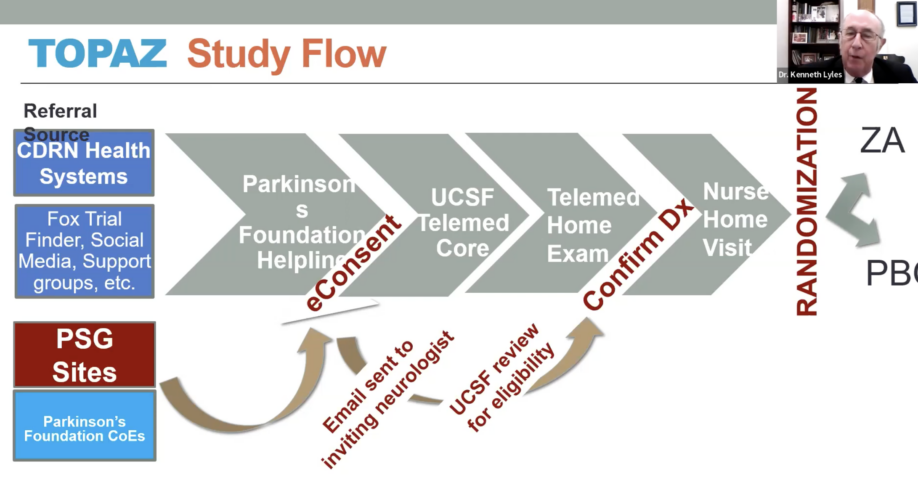
In early December, the Parkinson Foundation hosted a webinar on skin and bone health in Parkinson’s disease (PD) with neurologist Dr. Nicki Niemann, and metabolic bone disease specialist Dr. Kenneth Lyles. Dr. Niemann first discussed skin issues in PD, noting that skin disorders are common in PD but often overlooked. Dr. Lyles followed with a presentation on bone health in PD, noting that those with PD have four times higher risk of hip fractures than those without.
… Full Story>Prediagnostic PSP – symptoms appear almost 8 years before diagnosis

This interesting study of “prediagnostic” progressive supranuclear palsy (PSP) out of the UK Biobank was recently published. It concludes that symptoms of PSP can be seen almost 8 years before diagnosis. Reaction time was the strongest predictive marker with changes evident as early as 10 years before diagnosis!
Note that no pathological confirmation of those with PSP was done for this study.