
You can participate in a web-based seminar — or webinar — from the privacy of your home. Join either live or view the archived version within a few days of the live webinar (in most cases). All webinars listed are free. All times listed are Pacific Time. Here are webinars that may be of interest to those living with Parkinson’s in April 2019
… Full Story>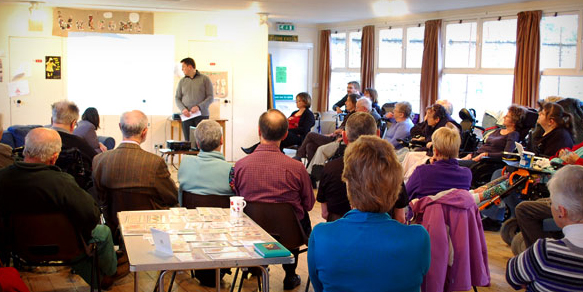
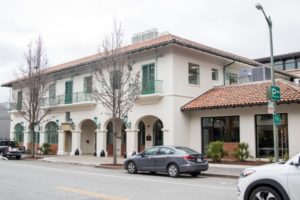 The Palo Alto-Menlo Park Support Group has made the move to Avenidas Senior Center effective, Wednesday, March 13th. After 18 months at Little House Activity Center in Menlo Park, Avenidas has completed an interior makeover and our support group has returned to Avenidas, in a different location, and at slightly different times. Read on below to find out details and join our email reminder list if you have not done so already. Please join us at a future meeting!
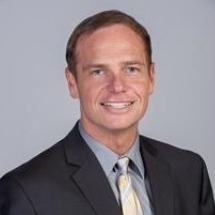 Brent Bluett, DO, Stanford Movement Disorder Specialist, will discuss freezing of gait and falls prevention for Parkinson’s and other movement disorders at the Palo Alto/Menlo Park Support group on Wednesday, March 13, from 2:30-4:00, at Avenidas in Palo Alto. No RSVP is required to attend.